Hey there, fellow innovators and tech enthusiasts! Have you ever paused to think about what truly powers our modern world, beyond just flipping a switch?
I’m talking about the intricate brainpower behind every smart building, every sustainable energy solution, and every seamless electrical system that defines our urban landscapes.
Being an Electrical Construction Engineer today isn’t just a job; it’s a dynamic adventure into the future of infrastructure, a role that demands a truly diverse and ever-evolving skillset.
From my own journey, I’ve seen firsthand how quickly the industry shifts, pushing us beyond traditional blueprints to embrace cutting-edge BIM, integrated IoT, and robust cybersecurity protocols.
The challenges are real, but the rewards of seeing your designs come to life, powering homes and businesses efficiently and safely, are incredibly fulfilling.
If you’re charting a course into this electrifying field or just curious about the essential capabilities that set the best apart, you’re in for a treat.
Let’s explore it in detail!
Beyond the Blueprint: Navigating Digital Design Tools

Stepping into the world of Electrical Construction Engineering today means much more than just understanding circuits and conductors; it’s about mastering a whole new digital landscape. Honestly, when I first started out, it was all about pencil and paper, maybe a bit of AutoCAD if you were fancy. But those days are long gone! Now, if you’re not fluent in Building Information Modeling (BIM) software, you’re practically starting behind the curve. I’ve seen firsthand how a well-executed BIM model can literally save a project thousands, if not tens of thousands, of dollars in rework and materials. It’s not just about drawing lines; it’s about creating a living, breathing digital twin of your project, where every conduit, every panel, and every connection is precisely accounted for. This level of detail allows for incredible coordination with other disciplines, catching clashes before they ever make it to the construction site. Trust me, nothing beats the feeling of a seamless installation because you nailed it in the 3D model. Plus, clients are increasingly expecting this level of sophistication, viewing it as a benchmark for quality and foresight. It really elevates the entire design process, turning what used to be a somewhat disjointed effort into a synchronized symphony of data.
Mastering BIM and CAD Platforms
If you’re serious about this field, getting intimately familiar with platforms like Revit and Navisworks is non-negotiable. It’s not enough to just open the software; you need to understand its capabilities inside and out. I recall one particularly complex hospital project where the structural, mechanical, and electrical teams were all working on different versions of designs. Without Navisworks to bring everything together and run clash detection, we would have had a nightmare on our hands during construction. Learning to model electrical systems – conduit runs, cable trays, lighting layouts, and power distribution – within these environments is crucial. It gives you the ability to visualize, optimize, and communicate your designs with unparalleled clarity. Think of it as your digital workbench, where you can tinker and perfect before anything is physically built, drastically reducing on-site headaches and keeping everyone on the same page.
Leveraging Simulation and Analysis Software
Beyond just drawing, the real power comes from the analysis you can perform. Tools for electrical load calculations, short-circuit analysis, and arc flash studies are absolutely critical. I remember a time early in my career where we used manual calculations, which were prone to errors and incredibly time-consuming. Now, with specialized software, you can simulate various scenarios and predict system behavior with incredible accuracy. This ensures not only the efficiency of the design but, more importantly, the safety of the entire system. Understanding how to interpret these results and make informed design adjustments based on the simulations is a hallmark of a truly skilled electrical construction engineer. It’s about more than just making the system work; it’s about making it work optimally and safely under all foreseeable conditions, which, frankly, brings immense peace of mind.
The Art of Powering Tomorrow: Energy Systems and Sustainability
Our world is constantly evolving, and so is how we power it. Being an Electrical Construction Engineer isn’t just about traditional grids anymore; it’s about being at the forefront of sustainable and efficient energy solutions. I’ve personally witnessed a massive shift in client priorities from simply powering a building to powering it intelligently and sustainably. It’s truly exciting to work on projects that integrate renewable energy sources, energy storage, and smart grid technologies. The satisfaction of designing a system that not only meets energy demands but also minimizes environmental impact is truly unmatched. This requires a deep understanding of how these diverse technologies interact and how to seamlessly integrate them into a cohesive and reliable electrical infrastructure. It’s about thinking bigger than just a single building; it’s about contributing to a more resilient and green future, one project at a time. The challenges are real – balancing cost, efficiency, and regulatory compliance – but the rewards are seeing tangible, positive change.
Integrating Renewable Energy Solutions
From rooftop solar panels to wind turbines, the demand for renewable energy integration in commercial and industrial settings is booming. My own experience includes designing microgrid systems for campuses, incorporating solar arrays with battery storage, and even optimizing charging infrastructure for electric vehicle fleets. It’s not just about installing panels; it’s understanding the nuances of grid tie-ins, bidirectional power flow, and the economics of different renewable sources. You need to know your inverters from your charge controllers and how to size a system that makes both environmental and financial sense for your client. The learning curve can be steep, but the impact of contributing to a cleaner energy footprint is incredibly motivating. It truly feels like you’re building a piece of the future, right here, right now.
Designing for Energy Efficiency and Smart Grids
Beyond generating green power, optimizing energy consumption is key. This means delving into smart building technologies, advanced metering infrastructure (AMI), and energy management systems (EMS). I’ve worked on projects where simple adjustments to lighting controls and HVAC scheduling, driven by intelligent systems, have led to significant operational cost savings for clients. Understanding concepts like demand response, load shedding, and power quality is crucial. It’s about creating systems that are not just functional but also inherently intelligent, able to adapt and respond to real-time conditions. The future of electrical engineering is undeniably intertwined with smart grid concepts, and being proficient in these areas will make you an indispensable asset to any team.
Keeping the Lights On (and Secure): Cybersecurity in Electrical Infrastructure
This is a topic that has exploded in importance over the last few years, and for good reason! When I first started, cybersecurity in electrical systems meant locking the control room door. Now, with so many systems interconnected and reliant on digital controls, it’s an entirely different ballgame. The thought of a critical piece of infrastructure, like a power substation or a hospital’s backup power, being vulnerable to cyberattacks sends shivers down my spine. I’ve seen companies invest heavily in physical security for decades, only to realize their digital defenses were critically lacking. As electrical construction engineers, we’re not just designing circuits; we’re designing secure environments. This means understanding potential vulnerabilities in networked industrial control systems (ICS) and supervisory control and data acquisition (SCADA) systems, and then implementing robust protective measures. It’s a specialized area, but one that absolutely cannot be overlooked in today’s interconnected world. It truly adds another layer of critical thinking to every design decision.
Securing Industrial Control Systems (ICS)
The operational technology (OT) networks that run our electrical infrastructure are often the soft underbelly when it comes to cyber threats. It’s crucial to understand the principles of network segmentation, firewalls, intrusion detection systems, and secure remote access protocols specific to these environments. I’ve been involved in risk assessments that uncovered startling vulnerabilities, which really drove home the importance of a proactive approach. We’re talking about systems that control everything from power generation to traffic lights, so the stakes couldn’t be higher. Implementing a “defense in depth” strategy, where multiple layers of security are deployed, is paramount. This isn’t just IT stuff; it’s about protecting the physical world through digital means, and as electrical engineers, we’re right on the front lines.
Implementing Data Privacy and Compliance
Beyond operational security, there’s the growing concern of data privacy, especially as more intelligent devices collect information about energy usage and building occupants. Understanding regulations like GDPR (though primarily European, its principles are global) or local data protection acts, and how they apply to the data generated by smart electrical systems, is becoming increasingly relevant. Ensuring that the systems we design are not only secure from external threats but also protect sensitive information is a professional responsibility. It’s about building trust with end-users and ensuring that the electrical infrastructure of tomorrow respects individual privacy while still delivering its essential services. It’s a complex ethical and technical tightrope walk that requires constant vigilance and knowledge of evolving legal landscapes.
Mastering the Maze: Project Management and Communication
You can be the most brilliant electrical designer in the world, but if you can’t manage a project or communicate effectively, your genius might never see the light of day. I’ve learned this the hard way on more than one occasion. Early in my career, I was so focused on the technical details that I sometimes neglected the softer skills, only to find myself swimming upstream against miscommunications or budget overruns. Now, I understand that strong project management is the backbone of any successful electrical construction endeavor. It’s about orchestrating a complex dance between clients, architects, contractors, suppliers, and regulatory bodies. You need to be the conductor, ensuring everyone is playing the same tune and at the right tempo. From the initial concept to the final commissioning, being able to track progress, manage risks, and keep stakeholders informed is just as vital as knowing your Ohm’s Law. It’s truly a skill that sets apart the good engineers from the great ones.
Effective Leadership and Team Coordination
Leading a project isn’t just about delegating tasks; it’s about inspiring confidence and fostering collaboration. I’ve found that the best projects are those where every team member feels heard and valued, from the junior engineer to the senior technician. This often means being the bridge between different disciplines, translating technical jargon into understandable terms for clients, and resolving conflicts before they escalate. It requires a blend of empathy, decisive action, and a clear vision. Coordinating schedules, resources, and deliverables while maintaining morale under pressure is a delicate art. The projects where I felt I truly succeeded weren’t just technically sound, but also those where the team gelled and worked harmoniously towards a common goal. It’s incredibly rewarding to be part of that kind of synergy.
Navigating Client Relations and Stakeholder Engagement
Ultimately, our designs serve people, and managing client expectations is a critical skill. This involves clear and consistent communication, active listening, and the ability to articulate complex technical information in an accessible way. I always make it a point to regularly update clients, explain design choices, and address any concerns proactively. There have been times when a simple, well-explained visual diagram saved hours of back-and-forth emails. Engaging with all stakeholders – from local authorities to end-users – ensures that the final product meets everyone’s needs and complies with all necessary regulations. It’s about building relationships and trust, which, in my experience, leads to smoother projects and repeat business. It’s not just engineering; it’s relationship building at its core.
Hands-On Savvy: Practical Field Expertise and Troubleshooting
No matter how many hours you spend behind a computer screen designing, there’s simply no substitute for getting your hands dirty and understanding how things work in the real world. This is where the rubber meets the road! I still remember my very first site visit as a fresh graduate – the sheer scale of the equipment, the noise, the organized chaos. It was a complete eye-opener. That’s why practical experience, even if it’s just shadowing a technician for a few days, is absolutely invaluable. Being able to visualize your designs in a real-world context helps you anticipate installation challenges, understand material limitations, and troubleshoot issues on the fly. It’s one thing to design a complex control panel on paper; it’s another to stand in front of it and diagnose why a motor isn’t kicking on. This blend of theoretical knowledge and practical acumen is what truly makes an electrical construction engineer effective, allowing us to bridge the gap between abstract design and tangible reality. The best lessons are often learned when you’re faced with an unexpected problem on site.
On-Site Problem Solving and Commissioning
When you’re out in the field, things rarely go exactly as planned. That’s just the nature of construction! Being able to quickly diagnose and resolve electrical issues – whether it’s a short circuit, an overloaded panel, or a control system malfunction – is a skill honed through experience. Commissioning a new system is another critical phase where your practical knowledge truly shines. It’s about methodically testing every component, ensuring that the entire system operates according to specifications, safely and efficiently. I’ve spent countless hours on commissioning sites, patiently tracing wires, checking voltages, and calibrating sensors. There’s a tremendous sense of accomplishment when you finally flip that switch and everything powers up perfectly. It’s a testament to good design, yes, but also to meticulous on-site verification and troubleshooting.
Understanding Installation Techniques and Safety Protocols
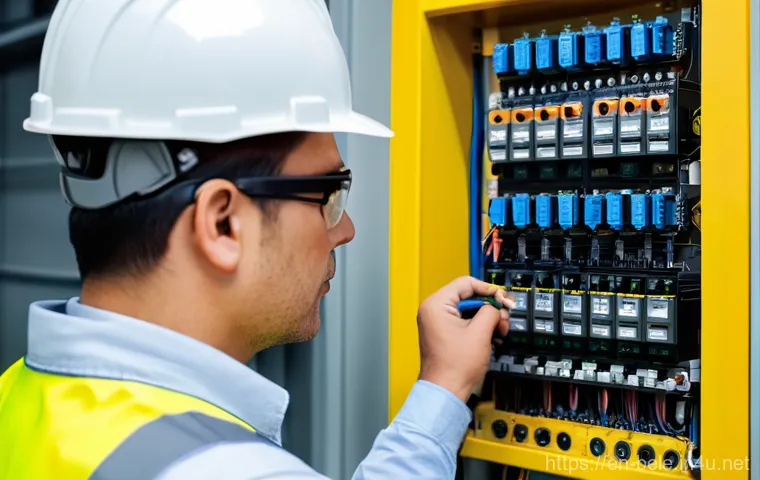
A deep understanding of how electrical systems are actually installed is crucial for designing constructible projects. This means knowing about conduit bending, cable pulling, panel wiring, and grounding techniques. When you understand the physical constraints and best practices of installation, your designs become much more practical and efficient for the installation crews. Furthermore, safety protocols are paramount. Electrical work is inherently dangerous, and ensuring that your designs facilitate safe installation, operation, and maintenance is a fundamental responsibility. Adhering to Lockout/Tagout (LOTO) procedures, understanding arc flash hazards, and specifying appropriate personal protective equipment (PPE) aren’t just rules; they’re lifesavers. A well-designed system is a safe system, both during its construction and throughout its operational life, and that safety begins on our drawing boards.
The Regulatory Roadmap: Codes, Compliance, and Safety
Let’s be honest, dealing with codes and regulations isn’t always the most glamorous part of the job, but it is, without a doubt, one of the most critical. Think of it as the unwritten constitution of our profession. I’ve seen projects grind to a halt because someone overlooked a seemingly minor code requirement. It’s not just about avoiding fines or legal issues; it’s fundamentally about public safety and ensuring that the electrical systems we design are reliable and robust. Every jurisdiction, it seems, has its own quirks and amendments to national standards, so staying updated is a continuous commitment. From the National Electrical Code (NEC) in the U.S. to various local building codes and international standards, the sheer volume of information can feel overwhelming at times. But mastering this regulatory landscape transforms you from merely a designer into a responsible custodian of public welfare, and that’s a responsibility I take very seriously. It’s the framework that ensures quality and prevents catastrophe.
Navigating Electrical Codes and Standards
Becoming intimately familiar with the relevant electrical codes – for example, the National Electrical Code (NFPA 70) in the United States, or BS 7671 in the UK – is absolutely non-negotiable. It’s not just about knowing that a certain wire gauge is required for a specific circuit; it’s about understanding the underlying principles and the rationale behind those requirements. I spend a considerable amount of time poring over code books, not just when I’m designing, but regularly, just to stay current with updates and interpretations. Code compliance influences every aspect of a design, from conductor sizing and overcurrent protection to grounding and bonding. Missing a critical code requirement can lead to costly rework, project delays, or, far worse, dangerous conditions. It’s a foundational aspect of our expertise that demands continuous learning and meticulous attention to detail.
Ensuring Health, Safety, and Environmental (HSE) Compliance
Beyond electrical codes, a comprehensive understanding of broader Health, Safety, and Environmental (HSE) regulations is crucial. This includes OSHA (Occupational Safety and Health Administration) standards in the US, or similar regulatory bodies globally, that govern workplace safety. We are responsible for designing systems that can be safely installed, operated, and maintained without posing undue risks to workers or the environment. This means specifying appropriate safety devices, ensuring proper clearances, considering emergency shutdown procedures, and minimizing environmental impact. For instance, correctly designing for arc flash mitigation isn’t just a technical task; it’s a critical safety imperative that protects personnel from severe injury. Our designs have a direct impact on people’s well-being and the planet, making HSE compliance an ethical and professional cornerstone of our work.
| Skill Category | Why It’s Critical | Impact on Project & Safety |
|---|---|---|
| Digital Design (BIM/CAD) | Enables precise planning, visualization, and clash detection, integrating electrical systems seamlessly with other disciplines. | Reduces costly rework, improves collaboration, enhances design accuracy, and minimizes on-site errors leading to safer installations. |
| Energy Systems & Sustainability | Addresses modern demands for efficient, renewable, and environmentally conscious power solutions. | Lowers operational costs, reduces carbon footprint, meets regulatory incentives, and ensures long-term system viability. |
| Cybersecurity Integration | Protects critical infrastructure from digital threats, ensuring operational continuity and data integrity. | Prevents system failures, safeguards sensitive information, maintains public trust, and mitigates risks of malicious attacks. |
| Project Management | Orchestrates complex projects, manages resources, timelines, and budgets, and ensures clear communication among all stakeholders. | Keeps projects on schedule and within budget, minimizes conflicts, fosters teamwork, and ensures client satisfaction. |
| Field Expertise | Provides practical understanding of installation, commissioning, and troubleshooting, bridging design with reality. | Improves constructibility of designs, enables effective on-site problem-solving, and ensures reliable system startup and operation. |
| Regulatory Compliance | Ensures adherence to electrical codes, building standards, and safety regulations. | Guarantees public safety, avoids legal penalties, ensures system reliability, and upholds professional standards. |
Future-Proofing Our Grids: Emerging Technologies and Smart Systems
If there’s one thing that keeps me on my toes, it’s the blistering pace of technological advancement in our field. What was cutting-edge last year might be standard practice next year, or even obsolete! As electrical construction engineers, we’re not just building for today; we’re laying the groundwork for tomorrow. This means keeping a keen eye on emerging technologies and understanding how to integrate them into robust, scalable, and intelligent electrical infrastructure. From the explosion of IoT devices within buildings to the development of artificial intelligence (AI) for grid optimization, the landscape is constantly shifting. It’s incredibly exciting to be part of a profession that is so central to shaping the future, but it also demands a proactive approach to learning and adaptation. I’ve found that staying curious and always being open to new ideas is probably one of the most important ‘soft skills’ you can cultivate. It keeps the work fresh and ensures you’re always bringing the most value to your clients.
Integrating Internet of Things (IoT) and Smart Devices
The proliferation of IoT devices in buildings and industrial settings presents both immense opportunities and unique challenges for electrical engineers. We’re talking about everything from smart lighting systems that adapt to occupancy and daylight, to predictive maintenance sensors on critical equipment, all connected and communicating. Understanding the power requirements, network infrastructure, and cybersecurity implications of these devices is crucial. I’ve worked on projects where integrating IoT for energy monitoring transformed a building’s operational efficiency, but it required careful planning to ensure seamless communication and reliable power delivery. It’s about creating an interconnected ecosystem where every component works intelligently together, enhancing both functionality and sustainability. It’s a brave new world of connected everything, and we are the ones making sure it has the power it needs.
Exploring AI and Machine Learning in Electrical Systems
While still in its nascent stages for many practical construction applications, the potential of AI and machine learning (ML) in electrical engineering is truly mind-boggling. Imagine AI-powered systems that can predict equipment failures before they happen, optimize energy distribution across a city grid in real-time, or even autonomously reconfigure systems to prevent outages. I’ve been following developments in this area with great interest, particularly how ML algorithms are being used to analyze vast amounts of data from smart grids to improve efficiency and reliability. While we might not be programming neural networks ourselves on a daily basis, understanding the foundational principles and how these technologies can augment our designs and operational strategies is going to be increasingly important. It’s about leveraging these powerful tools to build more resilient, efficient, and truly intelligent electrical infrastructures for the future.
Cultivating a Growth Mindset: Lifelong Learning and Adaptation
Let’s be real, the world of Electrical Construction Engineering is not a “set it and forget it” kind of career. The moment you think you know everything, something new comes along to humble you. That’s why having a strong growth mindset and committing to lifelong learning isn’t just a good idea; it’s absolutely essential for survival and, more importantly, for thriving in this dynamic field. I’ve seen countless changes over my career, from new materials and installation techniques to entirely new design philosophies driven by technological breakthroughs. If you’re not continuously learning, you’re quickly falling behind. This isn’t just about formal courses or certifications, although those are important. It’s also about staying curious, reading industry journals, attending webinars, engaging with peers, and experimenting with new tools and approaches. The moment you stop learning, you stop growing, and in this profession, that’s just not an option. It’s a journey, not a destination, and embracing that journey is what makes it so incredibly rewarding.
Continuous Professional Development (CPD)
Formal and informal CPD is the fuel that keeps your professional engine running. Whether it’s pursuing advanced certifications in specific areas like renewable energy design, attending workshops on the latest BIM software features, or simply dedicating time each week to reading industry publications, continuous learning is key. I personally make an effort to attend at least one major industry conference a year, not just for the technical sessions but for the networking. The insights you gain from discussing challenges and solutions with other seasoned professionals can be just as valuable as any structured course. Investing in your own knowledge base isn’t just beneficial for your career; it directly translates into better, safer, and more innovative designs for your clients. It’s truly a win-win.
Staying Ahead of Industry Trends and Innovations
The electrical engineering landscape is constantly evolving, driven by innovations in materials science, digital technologies, and evolving environmental demands. Being proactive in identifying and understanding these trends is what allows you to lead, rather than just follow. This could involve exploring advancements in modular construction, understanding the implications of new battery storage technologies, or researching the latest developments in smart grid cybersecurity. It’s about having a finger on the pulse of the industry, anticipating future needs, and positioning yourself to be an expert in the solutions of tomorrow. This forward-thinking approach not only makes your work more interesting but also ensures that you remain an invaluable asset in a rapidly changing world. Always be learning, always be adapting, and you’ll always be at the top of your game.
Wrapping Up
Whew, what a journey we’ve covered! It’s truly incredible to see how multifaceted and dynamic the field of Electrical Construction Engineering has become. From mastering cutting-edge digital design tools to championing sustainable energy, and from safeguarding our infrastructure against cyber threats to expertly managing complex projects, our role is more critical and expansive than ever. I hope sharing my own experiences and insights has painted a clearer picture of the exciting challenges and immense rewards that await us. This isn’t just a job; it’s a calling to innovate, build, and secure the electrified world around us, and I wouldn’t have it any other way. Keep that spark of curiosity alive, and you’ll always be at the forefront of this amazing profession.
Useful Information to Know
1. Embrace Lifelong Learning: The industry evolves at lightning speed. Stay curious, read up on new tech, and commit to continuous professional development. It’s the only way to stay relevant and, frankly, enjoy your work more.
2. Network Like Crazy: Connections are gold. Attend industry events, join professional organizations, and engage with peers. You never know where your next big opportunity or crucial piece of advice will come from.
3. Prioritize Practical Experience: While theoretical knowledge is vital, spending time on-site, shadowing technicians, and getting your hands dirty will give you an invaluable understanding that books simply can’t provide.
4. Sharpen Your “Soft” Skills: Communication, project management, and leadership are just as important as your technical prowess. Being able to explain complex ideas clearly and manage diverse teams is a game-changer.
5. Champion Sustainability and Security: These aren’t just buzzwords; they’re core responsibilities. Integrate sustainable practices into your designs and always factor in robust cybersecurity from the get-go. Our future depends on it.
Key Takeaways
The modern Electrical Construction Engineer is a true polymath – part digital artist, part environmental steward, part cyber guardian, and a master project orchestrator. Success in this field isn’t about knowing one thing well, but about a holistic understanding of technology, people, and processes. It’s about being adaptable, forward-thinking, and absolutely committed to safety and excellence. By continually honing your technical skills, nurturing your practical acumen, and mastering the art of collaboration, you’ll not only build incredible infrastructure but also forge an incredibly rewarding career path.
Frequently Asked Questions (FAQ) 📖
Q: What are the absolute must-have skills for an Electrical Construction Engineer in today’s rapidly evolving world?
A: Oh, this is such a fantastic question, and one I get asked all the time! From my own journey, it’s clear that the game has completely changed. While a strong foundation in electrical theory and code compliance is still non-negotiable, what truly sets an Electrical Construction Engineer apart today are skills that reach far beyond the blueprint.
We’re talking about embracing cutting-edge tech like Building Information Modeling (BIM) – it’s become our digital sandbox for collaboration and visualization, making sure every conduit and cable run is perfect before a single trench is dug.
Then there’s the whole universe of IoT integration; designing smart systems that talk to each other, from energy management to lighting controls, is now standard practice.
And let’s not forget the crucial, and honestly, sometimes overlooked, aspect of robust cybersecurity protocols. With everything connected, protecting our infrastructure from digital threats is paramount.
If you’re not constantly learning about these advancements, you’re going to be left behind. It’s exhilarating, really, how much we get to evolve with technology!
Q: With all these advancements, what are the most exciting opportunities and perhaps the trickiest challenges an Electrical Construction Engineer faces daily?
A: What truly lights up my day in this field is seeing how our work directly contributes to a more sustainable and smarter future. The opportunities are just incredible – from designing the electrical backbone for massive renewable energy projects to creating truly intelligent buildings that optimize energy consumption and enhance occupant comfort.
Being at the forefront of shaping smart cities, where our designs power everything from public transport to advanced communication networks, is incredibly fulfilling.
But I won’t lie, it’s not always sunshine and rainbows. The trickiest challenges often involve keeping up with the sheer pace of technological change and the complex integration of disparate systems.
Imagine trying to make ten different smart devices from various manufacturers talk to each other seamlessly while adhering to stringent safety standards and tight deadlines!
There’s also the constant push to innovate while managing project costs and ensuring long-term reliability. It demands incredible problem-solving skills, but the satisfaction of seeing a complex design hum to life, efficiently and safely, truly makes every challenge worth it.
Q: For someone looking to jump into this electrifying field, what’s your best advice for getting started or for those looking to advance their career?
A: If I were starting all over again, or giving advice to a colleague looking to level up, my biggest piece of advice would be to blend foundational knowledge with a relentless pursuit of new skills and hands-on experience.
Formal education in electrical engineering or a related field is your bedrock, absolutely, but don’t stop there! Dive into courses or certifications in BIM software like Revit, get familiar with industrial control systems (ICS), and understand the basics of network security.
Seek out internships or entry-level roles that get you on actual construction sites. There’s nothing like seeing how things really get built and troubleshooting issues in the field.
Beyond the technical, hone your soft skills: communication, collaboration, and critical thinking are priceless when you’re coordinating with architects, contractors, and clients.
And don’t underestimate the power of a good mentor – finding someone seasoned in the industry who can share their wisdom and open doors is invaluable.
This field is always evolving, so your learning journey should be too!