So, you’re thinking about diving into the world of electrical engineering, specifically geared toward building electrical systems? That’s fantastic! It’s a field ripe with opportunities, especially now with the surge in smart buildings and sustainable infrastructure.
I remember when I first started, it felt like navigating a maze of codes and regulations, but with the right guidance, it becomes much clearer. Finding the right resources is key, and YouTube channels can be a real game-changer, offering everything from practical advice to theory deep-dives.
They really helped me visualize complex concepts when I was starting out. Let’s explore some great YouTube channels to get you on the right track!
Alright, let’s get those aspiring electrical engineers on the right path with some YouTube channel recommendations!
Navigating the Fundamentals with “Engineering Explained”
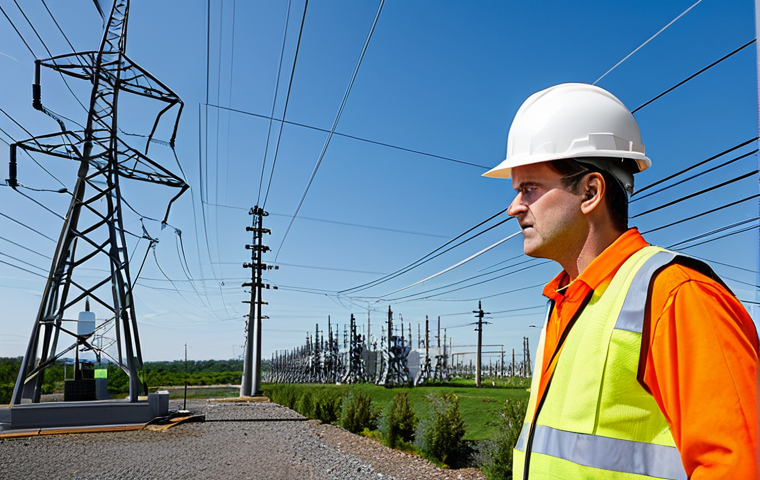
This channel is a goldmine for anyone needing to solidify their understanding of core concepts. I remember struggling with AC circuits at first, but the way Jason breaks down complex topics into digestible animations and explanations is just brilliant.
It’s not specifically focused on building electrical systems, but the fundamental principles he covers are vital.
Laying the Groundwork: Essential Theories
Engineering Explained excels at demystifying electrical theories. Think about Ohm’s Law, Kirchhoff’s Laws, and the behavior of capacitors and inductors in circuits.
Jason doesn’t just present the formulas; he explains *why* they work, often using real-world examples. This helped me tremendously when I was trying to troubleshoot my first complex system.
Visual Learning: Animations and Diagrams
One of the channel’s strengths is its use of visual aids. Complex electrical concepts are brought to life through clear and concise animations. This visual approach makes it easier to grasp abstract ideas and remember them later.
I found this particularly helpful when learning about three-phase power systems and how they differ from single-phase.
Diving Deep with “Practical Engineering”
While not exclusively about electrical engineering, this channel, hosted by Grady Hillhouse, often delves into topics highly relevant to building electrical systems, such as power distribution and infrastructure design.
I always appreciate Grady’s ability to connect theoretical knowledge with practical applications.
Real-World Applications: Power Grids and Distribution
Grady’s videos on power grids and distribution networks are incredibly insightful. He explains how electricity is generated, transmitted, and distributed to homes and businesses, often using real-world examples and case studies.
This helped me understand the bigger picture when designing electrical systems for large buildings.
Understanding Infrastructure: Safety and Reliability
Practical Engineering also touches on the importance of safety and reliability in electrical infrastructure. Grady discusses topics such as grounding, surge protection, and backup power systems, emphasizing the need for robust and resilient designs.
These are lessons every electrical engineer should take to heart.
Mastering Code and Compliance with “Mike Holt Enterprises”
When it comes to building electrical systems, code compliance is non-negotiable. Mike Holt’s channel is an invaluable resource for understanding and applying the National Electrical Code (NEC).
I’ll admit, deciphering the NEC was daunting at first, but Mike’s clear explanations and practical examples made it much less intimidating.
Demystifying the NEC: A Comprehensive Guide
Mike Holt and his team offer comprehensive coverage of the NEC, breaking down complex articles into easy-to-understand segments. They provide explanations, examples, and practical tips to help you navigate the code and ensure your designs are compliant.
This is essential for anyone working on electrical installations.
Real-World Scenarios: Code Application
The channel also features videos that apply the NEC to real-world scenarios. Mike and his team walk through common electrical installation situations, demonstrating how to apply the code correctly and avoid potential violations.
This hands-on approach is incredibly helpful for reinforcing your understanding of the NEC.
Expanding Your Knowledge with “The Engineering Mindset”
This channel covers a wide range of engineering topics, including electrical engineering. While it might not be as specialized as some of the other channels, it offers valuable insights into various aspects of electrical system design and operation.
Electrical Design Fundamentals: Principles and Practices
The Engineering Mindset provides a solid foundation in electrical design fundamentals. It covers topics such as circuit analysis, power calculations, and component selection, offering a well-rounded overview of the design process.
Power Systems: Generation, Transmission, and Distribution
The channel also explores power systems, covering topics such as electricity generation, transmission, and distribution. It explains how power plants, substations, and distribution networks work together to deliver electricity to homes and businesses.
Supplementing Your Learning: Additional Resources
While YouTube channels are a great starting point, remember that they are just one piece of the puzzle. Here’s a handy table summarizing the different types of resources you should be leveraging:
| Resource Type | Description | Benefits |
|---|---|---|
| YouTube Channels | Offer visual explanations, practical tips, and real-world examples. | Accessible, engaging, and often free. |
| Textbooks | Provide in-depth coverage of electrical engineering principles and concepts. | Comprehensive, reliable, and often required for coursework. |
| Online Courses | Offer structured learning paths with quizzes, assignments, and instructor feedback. | Interactive, personalized, and can lead to certifications. |
| Professional Organizations | Provide access to industry standards, publications, and networking opportunities. | Authoritative, relevant, and can enhance your career prospects. |
Remember, the key is to be proactive, stay curious, and never stop learning. The field of electrical engineering is constantly evolving, so it’s essential to stay up-to-date with the latest trends and technologies.
Good luck, and happy designing! Alright, let’s get those aspiring electrical engineers on the right path with some YouTube channel recommendations!
Navigating the Fundamentals with “Engineering Explained”
This channel is a goldmine for anyone needing to solidify their understanding of core concepts. I remember struggling with AC circuits at first, but the way Jason breaks down complex topics into digestible animations and explanations is just brilliant. It’s not specifically focused on building electrical systems, but the fundamental principles he covers are vital.
Laying the Groundwork: Essential Theories
Engineering Explained excels at demystifying electrical theories. Think about Ohm’s Law, Kirchhoff’s Laws, and the behavior of capacitors and inductors in circuits. Jason doesn’t just present the formulas; he explains *why* they work, often using real-world examples. This helped me tremendously when I was trying to troubleshoot my first complex system.
Visual Learning: Animations and Diagrams

One of the channel’s strengths is its use of visual aids. Complex electrical concepts are brought to life through clear and concise animations. This visual approach makes it easier to grasp abstract ideas and remember them later. I found this particularly helpful when learning about three-phase power systems and how they differ from single-phase.
Diving Deep with “Practical Engineering”
While not exclusively about electrical engineering, this channel, hosted by Grady Hillhouse, often delves into topics highly relevant to building electrical systems, such as power distribution and infrastructure design. I always appreciate Grady’s ability to connect theoretical knowledge with practical applications.
Real-World Applications: Power Grids and Distribution
Grady’s videos on power grids and distribution networks are incredibly insightful. He explains how electricity is generated, transmitted, and distributed to homes and businesses, often using real-world examples and case studies. This helped me understand the bigger picture when designing electrical systems for large buildings.
Understanding Infrastructure: Safety and Reliability
Practical Engineering also touches on the importance of safety and reliability in electrical infrastructure. Grady discusses topics such as grounding, surge protection, and backup power systems, emphasizing the need for robust and resilient designs. These are lessons every electrical engineer should take to heart.
Mastering Code and Compliance with “Mike Holt Enterprises”
When it comes to building electrical systems, code compliance is non-negotiable. Mike Holt’s channel is an invaluable resource for understanding and applying the National Electrical Code (NEC). I’ll admit, deciphering the NEC was daunting at first, but Mike’s clear explanations and practical examples made it much less intimidating.
Demystifying the NEC: A Comprehensive Guide
Mike Holt and his team offer comprehensive coverage of the NEC, breaking down complex articles into easy-to-understand segments. They provide explanations, examples, and practical tips to help you navigate the code and ensure your designs are compliant. This is essential for anyone working on electrical installations.
Real-World Scenarios: Code Application
The channel also features videos that apply the NEC to real-world scenarios. Mike and his team walk through common electrical installation situations, demonstrating how to apply the code correctly and avoid potential violations. This hands-on approach is incredibly helpful for reinforcing your understanding of the NEC.
Expanding Your Knowledge with “The Engineering Mindset”
This channel covers a wide range of engineering topics, including electrical engineering. While it might not be as specialized as some of the other channels, it offers valuable insights into various aspects of electrical system design and operation.
Electrical Design Fundamentals: Principles and Practices
The Engineering Mindset provides a solid foundation in electrical design fundamentals. It covers topics such as circuit analysis, power calculations, and component selection, offering a well-rounded overview of the design process.
Power Systems: Generation, Transmission, and Distribution
The channel also explores power systems, covering topics such as electricity generation, transmission, and distribution. It explains how power plants, substations, and distribution networks work together to deliver electricity to homes and businesses.
Supplementing Your Learning: Additional Resources
While YouTube channels are a great starting point, remember that they are just one piece of the puzzle. Here’s a handy table summarizing the different types of resources you should be leveraging:
| Resource Type | Description | Benefits |
|---|---|---|
| YouTube Channels | Offer visual explanations, practical tips, and real-world examples. | Accessible, engaging, and often free. |
| Textbooks | Provide in-depth coverage of electrical engineering principles and concepts. | Comprehensive, reliable, and often required for coursework. |
| Online Courses | Offer structured learning paths with quizzes, assignments, and instructor feedback. | Interactive, personalized, and can lead to certifications. |
| Professional Organizations | Provide access to industry standards, publications, and networking opportunities. | Authoritative, relevant, and can enhance your career prospects. |
Remember, the key is to be proactive, stay curious, and never stop learning. The field of electrical engineering is constantly evolving, so it’s essential to stay up-to-date with the latest trends and technologies. Good luck, and happy designing!
In Conclusion
Exploring these YouTube channels is an excellent starting point, but remember that continuous learning is essential in electrical engineering. Supplement your knowledge with textbooks, online courses, and active participation in professional organizations. The world of electrical engineering is vast and exciting, so keep exploring and creating!
Useful Information to Know
1. Understanding the NEC: The National Electrical Code (NEC) is updated every three years, so always ensure you’re using the latest version.
2. Importance of Grounding: Proper grounding is crucial for safety and protecting electrical equipment from damage.
3. Power Quality Issues: Learn about common power quality issues such as voltage sags, swells, and harmonics, and how to mitigate them.
4. Energy Efficiency Techniques: Implement energy-efficient designs and technologies to reduce energy consumption and costs.
5. Staying Updated: Subscribe to industry newsletters and attend conferences to stay informed about the latest trends and advancements in electrical engineering.
Key Takeaways
Focus on understanding fundamental theories, code compliance, and real-world applications. Utilize a variety of resources, including YouTube channels, textbooks, and professional organizations, to expand your knowledge. Continuous learning and staying updated with the latest industry standards are essential for success in electrical engineering.
Frequently Asked Questions (FAQ) 📖
Q: I’m just starting out.
A: re there any YouTube channels that focus on the basics of electrical engineering and building electrical systems? A1: Absolutely! Professor Dave Explains is a fantastic starting point.
He has a whole playlist dedicated to electrical engineering fundamentals. His explanations are super clear and easy to follow, even if you’re completely new to the subject.
I remember struggling with Ohm’s Law until I watched his video – suddenly, it just clicked! Also, check out The Engineering Mindset; they break down complex concepts into digestible animations.
They have some great videos on residential wiring and basic circuitry that are perfect for beginners. I wish I’d found them sooner when I was first learning about parallel circuits!
Q: I need to understand the NEC (National Electrical Code) better.
A: re there any YouTube channels that focus specifically on code compliance for building electrical systems? I’m finding the book a bit dry. A2: I completely understand!
Trying to decipher the NEC can feel like learning a new language. Thank goodness for Mike Holt Enterprises! Mike Holt is a legend in the electrical world.
His channel is packed with videos explaining different sections of the NEC, and he uses real-world examples to make it easier to understand. They also have segments on safe work practices which are invaluable.
I actually got my electrician license after studying with his material, no joke. Another good one is Electrical Code Academy Inc.. They also have detailed walk-throughs of code articles and often do live Q&A sessions, which can be super helpful.
The interaction can make understanding the code a lot easier.
Q: I’m interested in learning about advanced topics like smart home systems and renewable energy integration.
A: re there any YouTube channels that cover these areas in detail? A3: Definitely! For smart home systems, check out The Hook Up.
He does really in-depth reviews and tutorials on smart home technology, including wiring and installation. He really gets into the details of different systems, and does comparative analysis.
I remember figuring out the best way to integrate smart lighting thanks to one of his videos. For renewable energy, specifically solar, explore Engineering Explained.
While not solely focused on electrical systems, he provides incredible insights into the technical aspects of solar panel efficiency and grid tie-in. He has a way of simplifying complex engineering principles.
Plus, for a broader look at sustainable energy solutions, Undecided with Matt Ferrell explores a wide range of topics, from battery technology to electric vehicles, often discussing the electrical engineering challenges and innovations involved.
I learned a ton from his videos about the electrical demands of EV chargers!
📚 References
Wikipedia Encyclopedia
구글 검색 결과
구글 검색 결과
구글 검색 결과
구글 검색 결과
구글 검색 결과